
Why flexible wraps are revolutionising modular construction
Modular construction has rapidly transformed the building industry, offering speed, cost savings and precision. However, the transport and storage of these prefabricated modules present unique challenges. Flexible wrap systems have emerged as a revolutionary solution, protecting modules throughout the supply chain and ensuring projects remain on schedule.
This post explores how flexible wraps are changing protective methods in modular construction, reducing damage and streamlining logistics.
The challenges of modular construction
Modules must travel from the factory to the construction site, often over long distances and through varying environmental conditions. Common risks include:
- Physical damage: Scratches, dents and structural impacts during handling or transport.
- Environmental exposure: Moisture, dust and UV light can compromise materials.
- Storage hazards: Improper stacking or ventilation can cause warping or mould.
Without protection, these risks can cause costly delays, material loss and compromised project timelines.
How flexible wraps are revolutionising protection
Customised, adaptive coverage
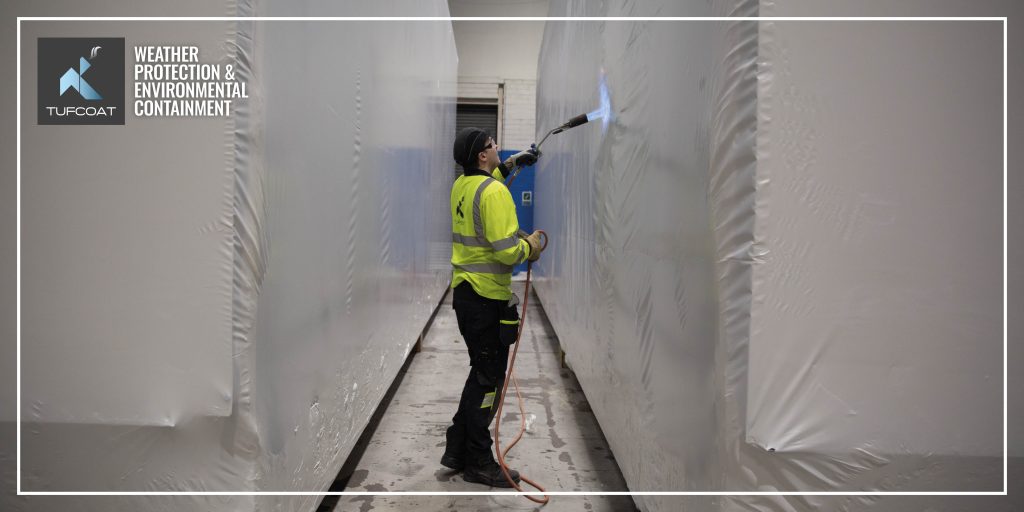
Flexible wraps conform to the shape of any module, providing full coverage and protecting vulnerable corners, edges and protrusions. Unlike rigid crates or traditional coverings, they adapt to varying module sizes and shapes, making them ideal for modern modular projects.
Protection from environmental hazards
Flexible wraps act as a barrier against moisture, dust, debris and UV exposure. This ensures modules remain in optimal condition during transit and storage, even in harsh outdoor environments.
Streamlined logistics and efficiency
By reducing the risk of damage, flexible wraps help modular projects stay on schedule. Modules arrive ready for assembly, minimising the need for repairs or rework. This accelerates project timelines, lowers costs and improves overall efficiency.
Safer handling and transport
Flexible wraps, combined with proper strapping or tie-downs, stabilise modules during transport. This reduces movement and impact, protecting both the modules and the personnel handling them.
Best practices for maximising flexible wraps
- Select durable materials: Look for tear-resistant, UV-resistant wraps like Tufcoat’s certified flame-retardant shrink-wrap materials and supplies.
- Fit wraps properly: Avoid overly loose or tight wraps that can cause stress points.
- Reinforce sensitive areas: Corners, edges and protrusions benefit from additional protection.
- Inspect and maintain: Check wraps regularly during transit and storage to ensure integrity.
- Use a trusted installer: Using a recognised provider like Tufcoat to install the shrink-wrap or train your teams will ensure your modules are professionally protected.
Flexible wraps are providing the modular construction industry with reliable, adaptable protection for prefabricated modules. They safeguard components from damage, reduce project delays and streamline logistics from factory to site.
In today’s fast-paced construction environment, flexible wraps are no longer just an accessory, they are a critical component of efficient, safe and cost-effective modular construction. By investing in modern flexible wrap solutions, construction companies can ensure their projects stay on schedule, protect their investments and deliver high-quality results every time.
Talk to the Tufcoat experts about how we can help protect your assets and keep your production line moving.
We are happy to discuss your project requirements and answer any other questions you may have.
If you send us your contact details by filling in this form, a member of the team will be in touch to find out more about your enquiry.
We look forward to speaking with you!