
Using construction screens to accelerate internal works
When delays hit the external works of a construction project, everything inside starts to slow down. Rain, wind and cold weather can bring internal trades to a halt especially during fit-out stages. However, top contractors are now using shrink-wrap construction screens to stay on schedule.
These temporary, weather-resistant barriers make it possible to start and continue internal works before the façade is completed. In this guide, we explore how construction screens help accelerate progress, reduce delays and keep your site running efficiently, even in the most unpredictable UK conditions.
What are shrink-wrap construction screens?
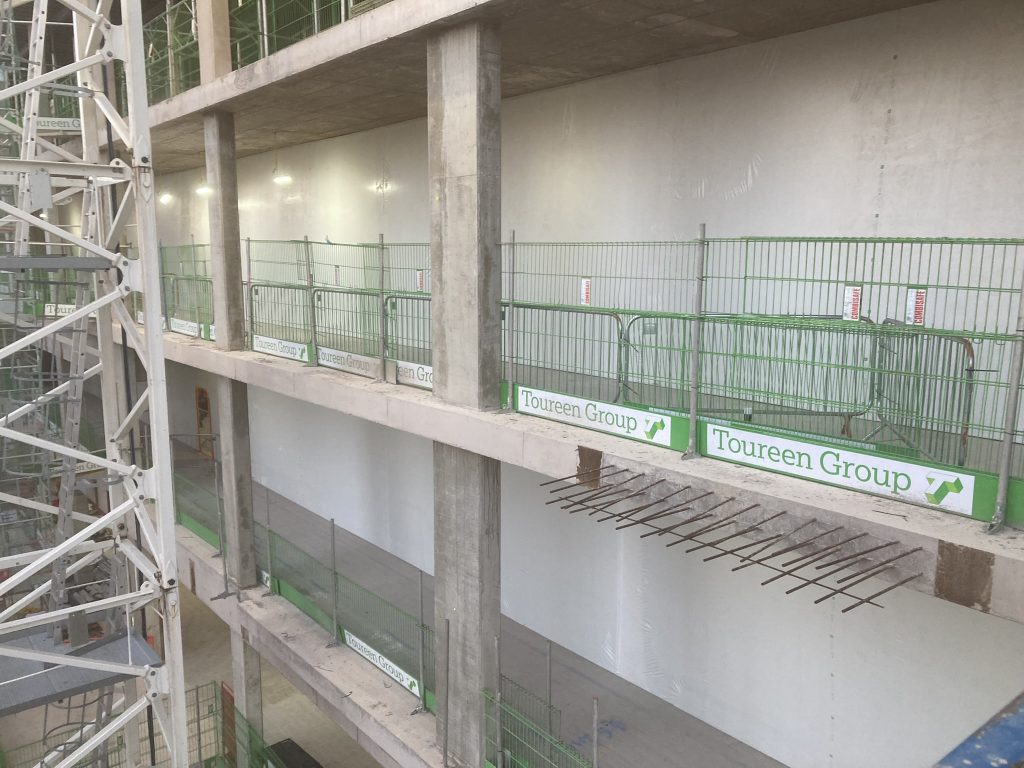
Construction screens are made from flame-retardant shrink-wrap, tensioned and heat-sealed to a supporting frame. When used in a multi-storey steel or concrete frame, they’re typically installed slab-to-slab or between vertical structural elements to form a sealed curtain across open façades.
Unlike traditional tarpaulins or netting, shrink-wrap screens:
- Provide a drum-tight seal
- Withstand high winds without flapping
- Create a fully enclosed environment
- Offer UV stability and flame resistance
They’re designed to deliver temporary weatherproofing where speed and safety are a priority.
How construction screens accelerate internal programmes
Allow fit-out to begin before the envelope is complete
Normally, MEP first fix, insulation, plaster-boarding and decoration can’t start until the external walls are watertight. Construction screens create a dry internal environment even if glazing or cladding is delayed, resulting in weeks or even months saved on project timelines.
That means:
- Early access for electricians, plumbers, HVAC teams
- Internal partitions and finishes can progress
- No downtime waiting for the “dry zone” handover
On the Tufcoat LHR21 Data Centre project, over 3,000m² of shrink-wrap screens were installed floor-by-floor. This allowed M&E works to start while external façade elements were still in transit helping the project stay on schedule.
Protect materials and finishes from weather damage
Exposed structures risk water damage, condensation and cold exposure especially in winter. Construction screens act as a weather barrier protecting plasterboard and insulation, electrical components, stored materials on-site and finishes like paint and flooring. By maintaining a more stable, dry internal environment, screens reduce the risk of rework and damage-related delays.
Enable temporary heating and environmental control
Once shrink-wrap construction screens are installed, contractors can create a controlled microclimate work environment:
- Temporary heaters can be used to raise internal temperatures
- Humidity can be managed for drying screed or plaster
- Workers benefit from better conditions, improving productivity
This is particularly important for high-spec fit-outs such as labs, healthcare environments or data centres where environmental control is key.
Minimise health and safety risks from wind and debris
Shrink-wrap construction screens also help protect workers and equipment inside the building by shielding them from extreme weather, seasonal temperature changes, wind-blown dust or debris and falling objects from higher levels. By improving visibility, temperature and cleanliness, screens can create a safer, more efficient work environment.
Planning for screens: Best practices
To get the most benefit from shrink-wrap screens, you need to plan for them early in your project. Here’s what to consider:
Early engagement
Talk to a specialist shrink-wrap provider like Tufcoat during the design or structural framing stage. We can assess where and how screens will be fixed, provide temporary works design and advise on sequencing and access.
Choose the right material
Use 300-micron flame retardant shrink-wrap that meets UK standards (e.g. BS EN 13501-1 Class B). Tufcoat’s shrink-wrap, for example, is Certifire approved and UV stabilised, suitable for extended installations.
Factor in access
Plan for these access points during design. Screens can include:
- Zip doors for trade entry
- Inspection hatches for site monitoring
- Access platforms for safe installation
Coordinate with façade installation
Shrink-wrap screens should be installed so that they can be removed in phases without disrupting façade or cladding works. This usually means sequencing floor-by-floor with removal as glazing or panels go in.
Environmental and cost benefits
Reduce downtime to save money
Keeping trades moving reduces labour costs, skips idle time and avoids penalties for delays. Many contractors recoup their investment in shrink-wrap through programme efficiency alone.
Recyclable and low-waste
Shrink-wrap film is 100% recyclable (if uncontaminated) and timber battens or tension systems can often be reused. A good provider such as Suez will offer removal and recycling support to help meet environmental goals.
Why work with Tufcoat?
At Tufcoat, we’ve delivered shrink-wrap construction screen solutions to projects across commercial, healthcare, infrastructure and data centre sectors. Our services include:
- Site surveys and design consultation
- Fully trained IPAF/CSCS installers
- Temporary works designs
- Ongoing maintenance and inspection
Construction screens are a strategic tool to accelerate internal progress, de-risk delays and keep your site moving. If your external works fall behind schedule, shrink-wrap construction screens may be the solution that gets you back on track.
Ready to protect your schedule?
Contact Tufcoat today to discuss how construction screens can support your project.
We are happy to discuss your project requirements and answer any other questions you may have.
If you send us your contact details by filling in this form, a member of the team will be in touch to find out more about your enquiry.
We look forward to speaking with you!